
Business Etiquette in India: A Practical Guide for International Professionals
Why "Indian business etiquette" isn't one thing — how region, company type, and generation change the rules more here than almost anywhere else in this series.
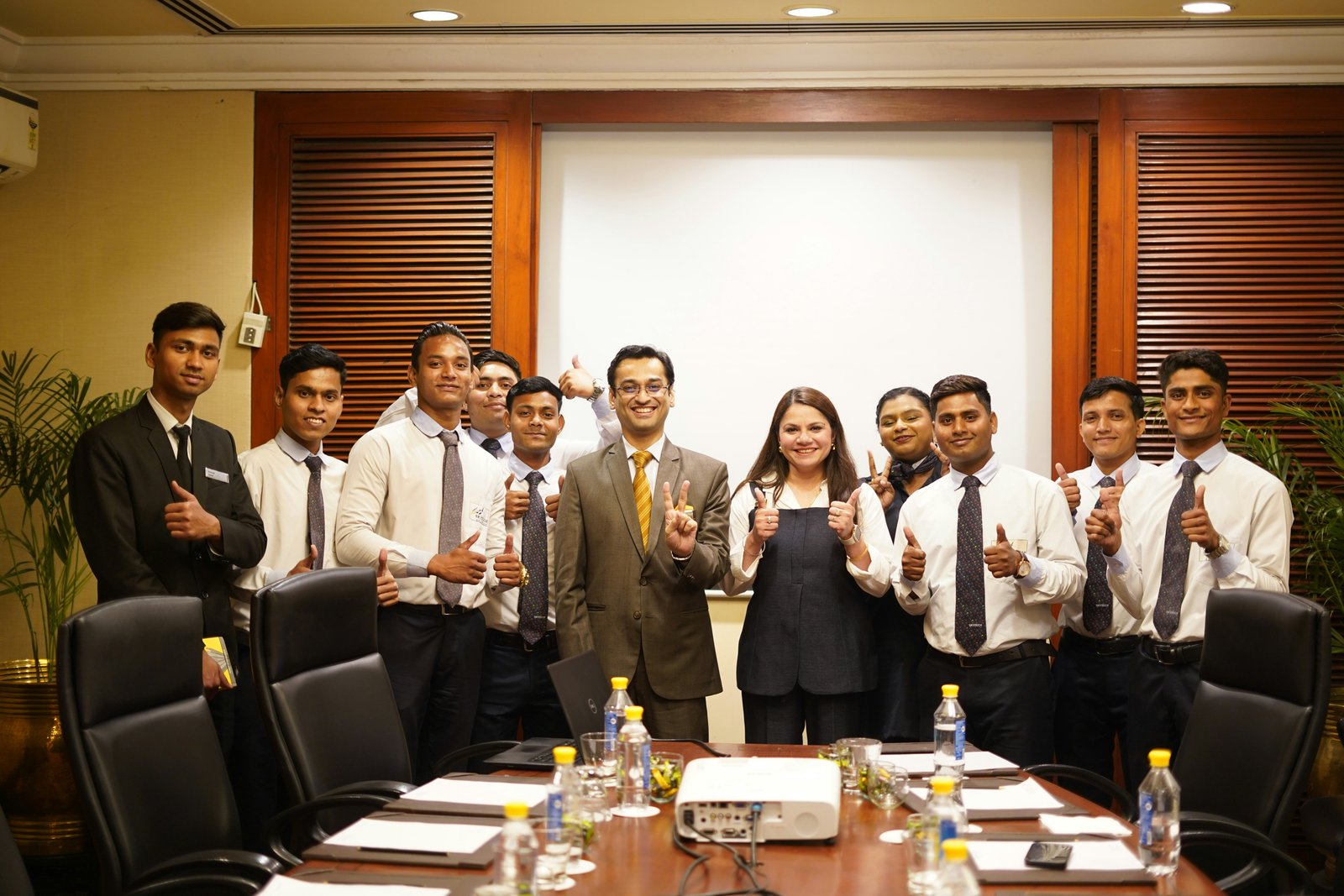
Why "Indian business etiquette" isn't one thing — how region, company type, and generation change the rules more here than almost anywhere else in this series.
Key Takeaways
- India's business customs vary more by region, company type, and generation than almost any other country in this series — a Mumbai fintech startup and a family-run business in a smaller city can feel like different worlds.
- Both the handshake and the namaste (palms together, slight bow) are common greetings, and reading which one to offer depends on context more than a single fixed rule.
- Hierarchy plays a strong role in decision-making, but it often coexists with genuinely warm, relationship-driven communication rather than the more rigid formality seen in, say, Germany or Japan.
Why "Indian business etiquette" is a harder label than it sounds
India is a country of over 1.4 billion people, more than a dozen major languages, and business cultures that range from centuries-old family trading houses to some of the world's fastest-growing tech startups. A guide that treats "Indian business etiquette" as one uniform set of rules — the way it's tempting to do with a smaller, more culturally homogeneous country — will miss more than it captures. What follows are patterns that hold reasonably well across much of urban, corporate India, with the regional and company-type variation flagged explicitly where it matters most.
Greetings: Handshake or Namaste?
Both a handshake and the namaste greeting (pressing palms together at chest height with a slight bow, sometimes accompanied by saying "namaste") are common in Indian business settings, and which one to use depends on context rather than a strict rule.
- In most urban, corporate settings — particularly in large cities and multinational companies — a handshake is standard and safe for a first meeting, regardless of gender.
- Namaste is a respectful and often appreciated alternative, especially when greeting someone considerably more senior, in more traditional or family-run companies, or when meeting a woman in a more conservative regional or religious context where a handshake may not be initiated.
- The safest approach in an unfamiliar setting is to let the other person initiate. If they extend a hand, shake it; if they offer a namaste, return the gesture rather than pushing for a handshake.
Addressing people by title (Mr., Ms., Dr.) and surname is the safer default until invited to use first names, though this shifts faster in younger, startup-oriented companies than in more traditional or older, established businesses.
Regional and Company-Type Variation
This is the section most general guides skip, and it's arguably the most useful one for India specifically:
- Metro cities (Mumbai, Delhi, Bangalore, Hyderabad): Business culture here, especially in tech, finance, and multinational companies, tends to be faster-paced and more Western-influenced in style — first names arrive sooner, meetings are more time-boxed, and English is the default working language.
- Smaller cities and more traditional industries: Expect more formality, slower relationship-building, and a stronger emphasis on hierarchy and respect for seniority, sometimes with less English fluency assumed.
- Family-run businesses: Extremely common across India and often operate on a different logic than professionally-managed corporations — decisions may run through the family patriarch or matriarch regardless of someone else's formal title, and understanding the real decision-maker in the room matters more than the org chart suggests.
- Startups and tech companies: Often closer in feel to Silicon Valley norms — casual dress, first names, flatter internal communication — even while the broader Indian business environment around them remains more hierarchical.
Language also varies meaningfully: while English is widely used in business and often the default for meetings and contracts, regional languages (Hindi, Tamil, Bengali, Marathi, and many others) carry real cultural weight, and a foreign visitor showing awareness of this diversity — rather than assuming "Indian" means one language or one culture — is generally well received.
Hierarchy and Decision-Making
Hierarchy shapes Indian business meetings clearly, though it often coexists with warmth and personal rapport rather than the more rigid, arms-length formality found in Germany or Japan. The most senior person present is typically greeted first and tends to set the tone and direction of the meeting.
Decision-making authority frequently sits with a small number of senior figures — sometimes a single owner or founder, particularly in family businesses and many startups — rather than being distributed through committee-style consensus. It's common for a mid-level contact to be warm, engaged, and helpful throughout a meeting while genuinely lacking authority to finalize anything; identifying who actually holds decision-making power, and building a relationship with that person specifically, matters more here than the formal meeting structure might suggest.
Open disagreement with someone senior in front of a group is generally avoided in favor of raising concerns more privately or diplomatically — broadly consistent with the hierarchical communication patterns seen elsewhere in Asia, though Indian business communication overall tends to be warmer and more expressive than the more reserved styles of Japan or Korea.
Meeting Etiquette and Punctuality
Punctuality expectations vary more here than in most countries covered in this series. In multinational corporate settings and metro-city business culture, punctuality is taken seriously and expected. In more traditional settings, meeting times can be treated with more flexibility, and a delay of 15–20 minutes may not carry the same weight it would in Germany or Japan — though as a visitor, it's still safest to arrive on time yourself regardless of local flexibility.
Meetings often open with genuine, unhurried small talk — questions about your trip, your family, or general goodwill — before moving to business, and this warm-up phase tends to matter more than a purely transactional American-style meeting would suggest. Being served tea or a soft drink at the start of a meeting is common and should generally be accepted.
Gift-Giving Customs
Gift-giving is a normal part of relationship-building in Indian business culture, though it's usually modest rather than lavish in professional settings.
- Sweets, good quality tea, or a small item representative of your home country are safe, well-received choices.
- Gifts are typically given and received with the right hand, or both hands together — avoid offering or receiving with the left hand alone, which carries negative connotations in many parts of Indian culture.
- If giving to a company with a diverse religious workforce, be thoughtful about food-based gifts — for instance, avoid beef products given Hindu dietary customs, and avoid alcohol as a default choice given that some recipients may not drink for religious or personal reasons.
- A gift may be politely set aside rather than opened immediately in front of you — this is normal and not a sign of disinterest.
Dress Code
Conservative, modest business attire remains the safe default in most traditional and corporate settings — for men, a suit or shirt and trousers; for women, modest professional dress with shoulders and knees generally covered. Tech and startup environments in metro cities are considerably more casual, closer to the West Coast US norm than to a traditional Indian corporate office, so calibrating to the specific company and city is worthwhile.
Common Mistakes to Avoid
- Treating "Indian business etiquette" as one uniform culture. Region, company type, and generation change the norms more here than almost anywhere else in this series.
- Assuming the most talkative or senior-titled person in the room is the actual decision-maker. In family businesses especially, real authority may sit elsewhere.
- Rushing past the small-talk opening of a meeting. The warm-up phase tends to matter genuinely, not just as a formality.
- Using or offering things with the left hand alone, including gifts, documents, or food.
- Assuming punctuality norms are identical everywhere. Corporate metro settings expect it strictly; some traditional settings are more flexible — but arrive on time yourself regardless.
- Bringing beef products or alcohol as a default gift without considering the recipient's likely dietary or religious practices.
In simple words
India's business culture rewards flexibility more than a fixed rulebook — the right greeting, pace, and formality level depend heavily on the specific city, company type, and generation you're dealing with. Let your counterpart set the tone for greetings, identify the real decision-maker rather than assuming it's whoever has the most senior-sounding title, and be genuinely patient with relationship-building small talk rather than rushing to the agenda.
Frequently Asked Questions
Should I shake hands
Related articles

Country Guides • Country Guide
Business Etiquette in Indonesia: A Practical Guide for International Professionals
Why "belum" rarely means "not yet" — and how pushing for a direct answer in an Indonesian negotiation can quietly cost you the deal.
Country Guides • Country Guide
Business Etiquette in Nigeria: A Practical Guide for International Professionals
Why "home training" is the harshest judgment in Nigerian business culture — and how greeting protocol, more than your pitch, decides whether a deal gets a second meeting.

Country Guides • Country Guide
Business Etiquette in Italy: A Practical Guide for International Professionals
Why "bella figura" matters more than your pitch deck — and why doing business in Milan can feel genuinely different from doing business in Naples.